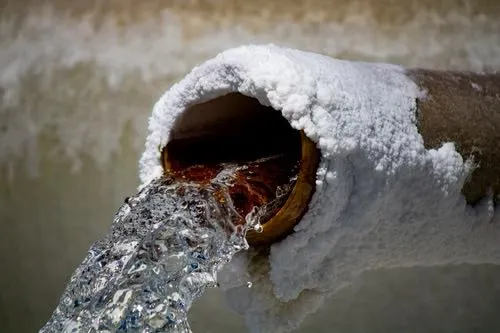
Water expands when it freezes. In a cold snap, that pressure can split a pipe — and when the ice thaws, water pours out, often inside a wall or ceiling where you cannot see it. Most burst pipes can be prevented, and when one does break, the first hour decides how much damage it does.
Where pipes freeze first
Pipes in unheated or poorly insulated spaces freeze first: crawl spaces, garages, attics, exterior walls, the cabinets under kitchen and bathroom sinks on outside walls, and the line to your outdoor tap. If a room feels cold at floor level, the pipes behind its walls are colder still.
How to prevent frozen pipes
Keep the heat at 15 °C or higher, day and night — Peel Region advises never letting your home drop below that. Shut off and drain the water line to outdoor taps before the first frost. Open the cabinet doors under sinks on outside walls so warm air can reach the pipes, and keep the garage door closed if water lines run through it. On the coldest nights, let a tap on an outside wall run at a thin trickle.
Signs a pipe is frozen
A tap gives only a trickle or nothing at all, frost is visible on an exposed pipe, or you hear gurgling from a drain. Act right away: a frozen pipe has not necessarily burst yet, but the pressure inside it is building.
How to thaw a frozen pipe safely
Open the tap the pipe feeds so melting water has somewhere to go. Warm the pipe gradually with a hair dryer, a space heater kept at a safe distance or warm towels, starting at the end closest to the tap. Never use an open flame or a torch. If you cannot reach the frozen section, or the pipe runs inside a wall, call a licensed plumber.
If a pipe bursts: the first hour
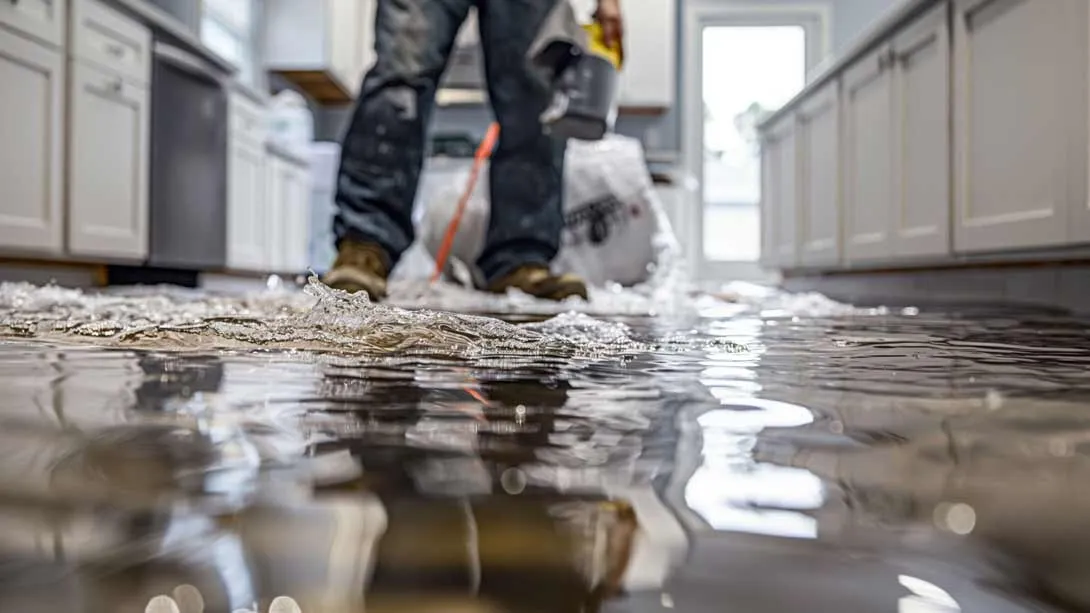
Shut off the main water valve immediately, then turn off power to any area where water is near outlets or fixtures. Open the taps to drain the water left in the lines. Take photos and video of the damage before you clean up, move belongings out of the water and call your insurer. Then call a restoration company — water from a burst pipe spreads inside walls, ceilings and subfloors where you cannot see it.
Why drying cannot wait
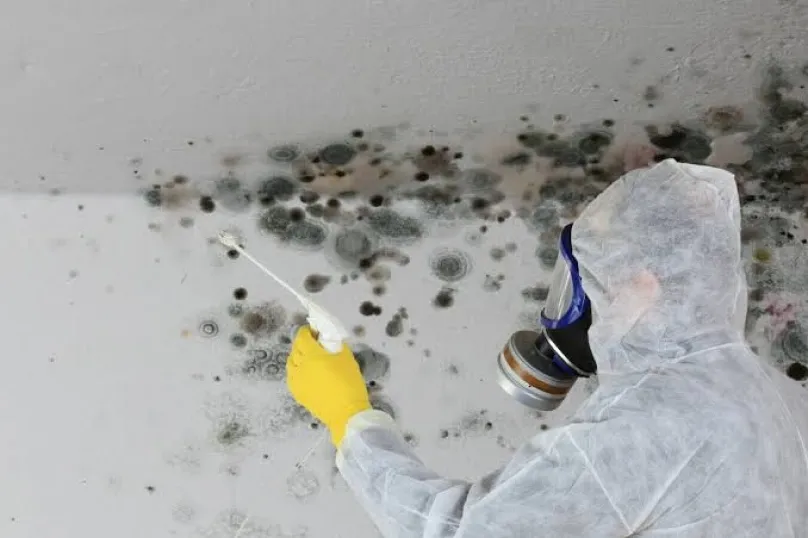
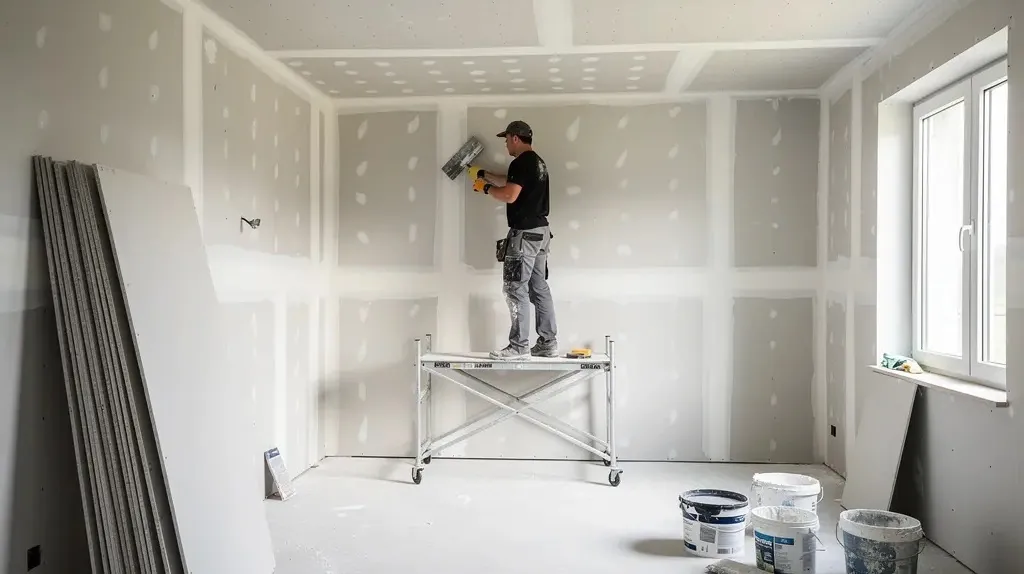
Mold can start growing within 24 to 48 hours. We measure moisture behind walls and under floors, set up professional drying equipment, remove only what cannot be saved and document every step for your insurer.
Pipe burst? Call us now.
Our crews are on call 24/7 across the GTA. We will help stop the water, start drying and document everything for your insurer.
416-540-0755