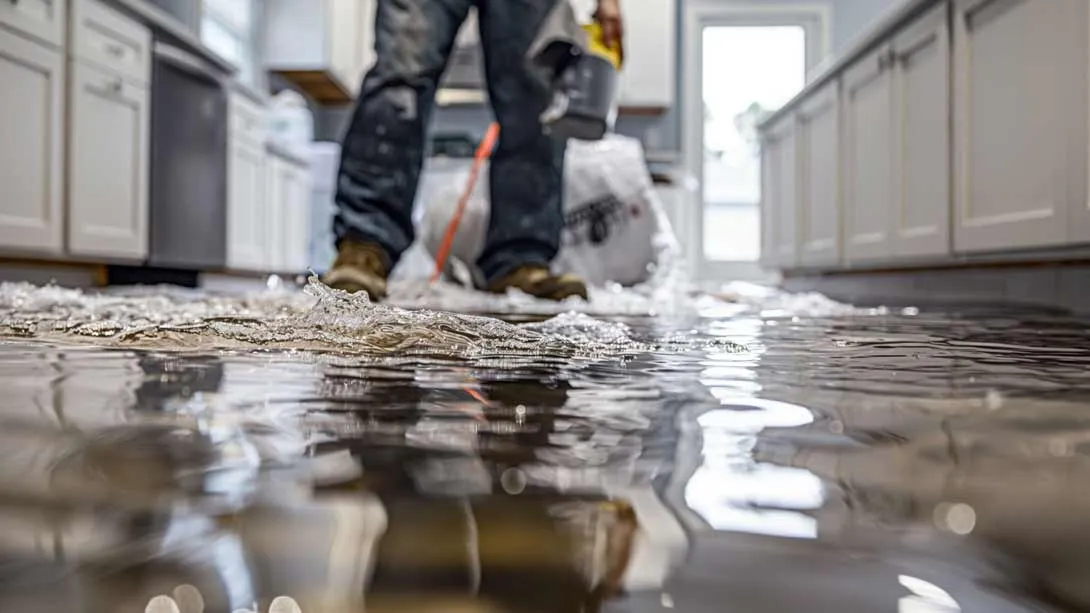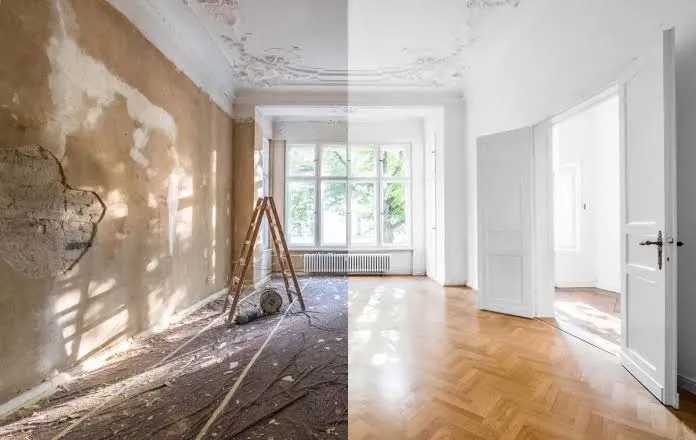
A flooded basement is stressful, but what you do in the first few hours makes a big difference to how much you can save. Here is what to do, step by step — and when it is time to call a professional.
Step 1: Make sure everyone is safe
Do not walk into a flooded basement if the water is near outlets, a furnace or the electrical panel — standing water and electricity are a deadly mix. If you cannot reach the breaker from a dry spot, stay out and call your utility or an electrician. If you smell gas, leave the house and call 911. Treat a sewer backup as contaminated: keep children and pets away and do not touch the water without protective gear.
Step 2: Stop the water at the source
If a pipe, water heater or appliance is leaking, close the main water shut-off valve — in most GTA homes it is in the basement, near the front wall where the water line enters. If the water came in after heavy rain, check that your sump pump is running and your downspouts point away from the house.
Step 3: Document the damage
Before you move anything, take wide photos and video of every affected area, then close-ups of damaged items and the water line on the walls. Your adjuster will ask for this, and damage is much harder to prove after cleanup. Then call your insurer to open a claim.
Step 4: Save what you can
Move valuables, documents and electronics upstairs. Lift furniture off wet floors and put foil or plastic under the legs. Pull up wet area rugs, but leave wall-to-wall carpet and drywall for the professionals. Never use household vacuums or fans that sit in water.
Step 5: Start drying within 24–48 hours
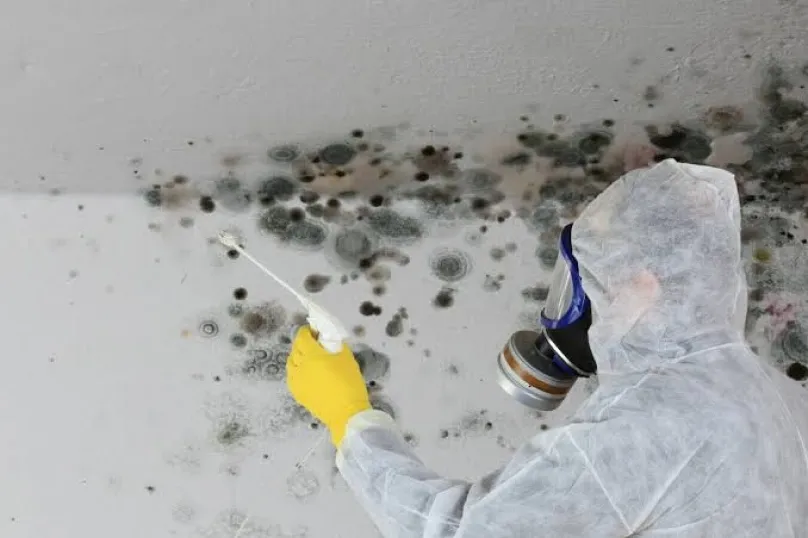
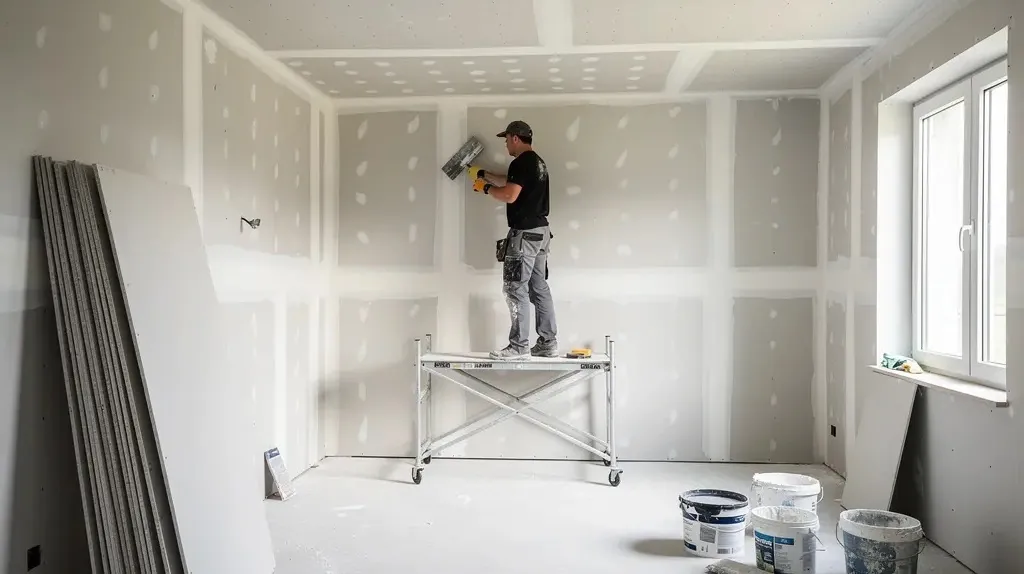
Mold can start growing within 24 to 48 hours. Open windows if the air outside is dry and run fans and dehumidifiers. But water soaks into drywall, insulation and subfloors, where household fans cannot reach it — a restoration crew measures that hidden moisture and dries the structure with commercial equipment.
When to call a professional
Call a restoration company if the water is more than a few centimetres deep, covers more than one room, came from a sewer backup, has soaked into walls or carpet, or has been sitting for more than a day. Hidden moisture in drywall and subfloors is the main cause of mold after a flood.
Water in your basement? Call us now.
Our crews are on call 24/7 across the GTA. We will stop the water, start drying and document everything for your insurer.
647-521-9250