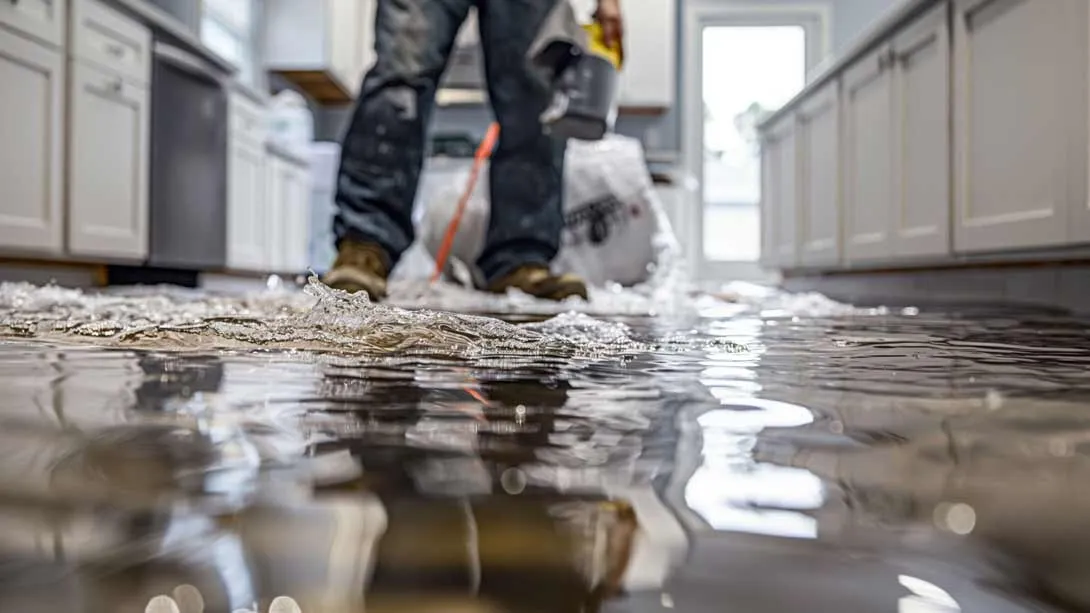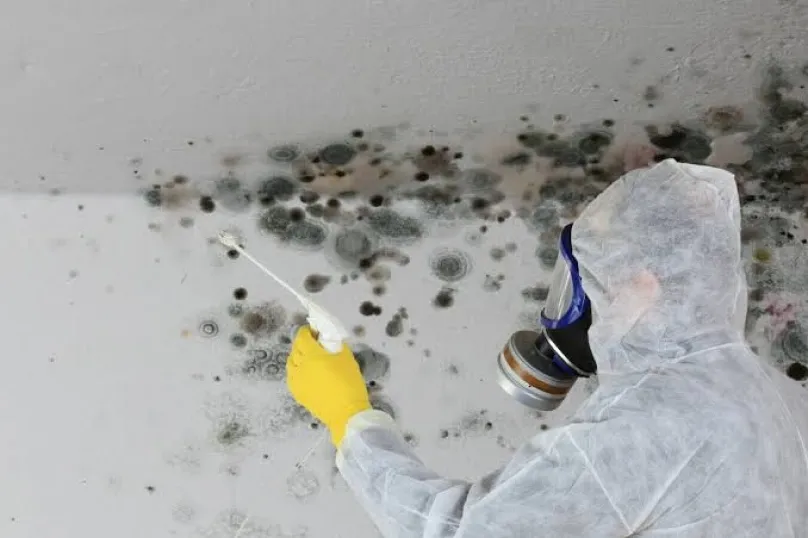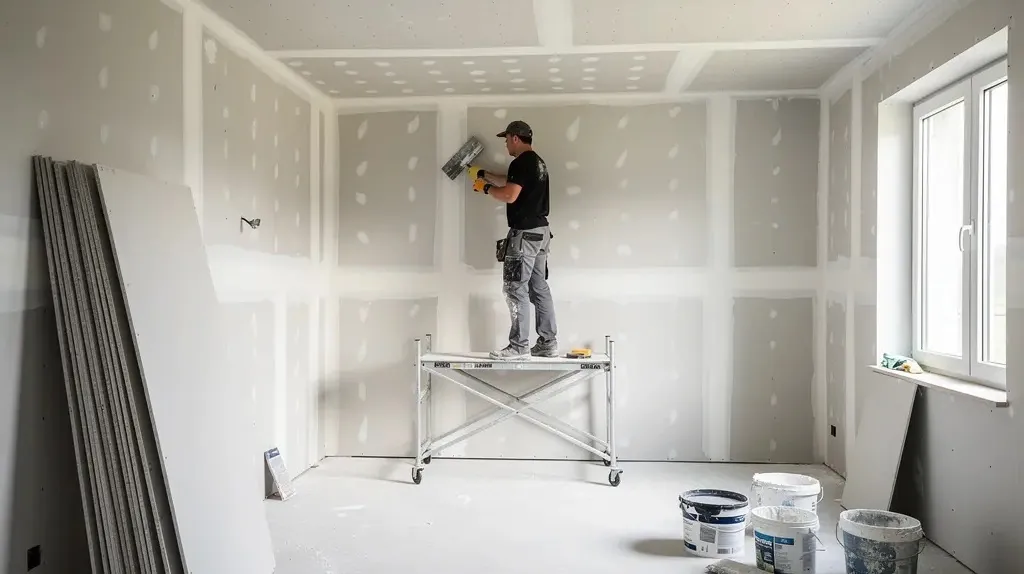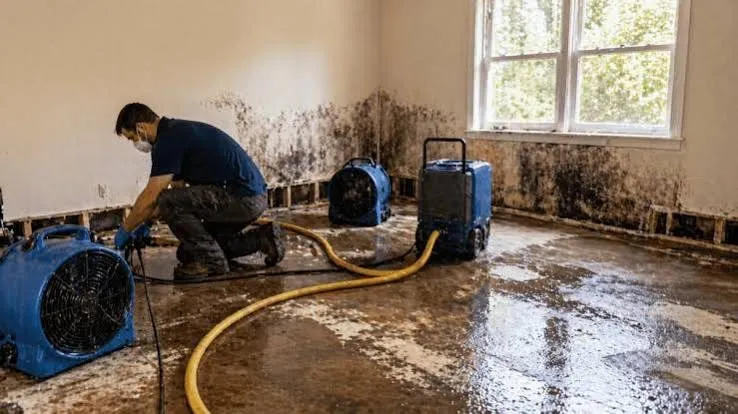
After a leak or a flood, the first question most people ask is how long it will take before life gets back to normal. The honest answer depends on how much water got in and where it went — but there are clear typical ranges, and a clear way to know when drying is really done.
The short answer: usually 3 to 5 days
With professional equipment, most residential water damage dries in about 3 to 5 days. A small, clean-water leak caught early can be dry in 2 to 3 days. When water has soaked ceilings, walls, insulation and subfloors, it usually takes 5 to 7 days, and dense materials like hardwood, plaster or concrete can take 10 days or more.
What makes drying take longer
How much water got in and how long it sat before drying started. Which materials are wet — drywall dries faster than hardwood or concrete. Whether the water was clean, grey or sewage, since contaminated materials have to be removed first. And the weather: humid summer air slows drying, so dehumidifiers matter more than open windows.
What happens day by day
Day 1: standing water is extracted, wet materials that cannot be saved are removed, and air movers and dehumidifiers are set up. Days 2 to 4: equipment runs around the clock, and moisture is measured every day so the setup can be adjusted. Final day: readings are compared with dry, unaffected areas of the same home; when they match, the equipment comes out and repairs can begin.
How we know a home is really dry
A wall can feel dry to the touch while the drywall, studs and insulation behind it are still wet. That is why drying is measured, not guessed: we use moisture meters and thermal cameras and record readings until every material reaches its normal dry level. Those records also go to your insurer.
Drying is not the same as restoration
Once everything is dry, repairs begin: new drywall, insulation, flooring and paint. Depending on how much had to be removed, the whole job — from the first call to the final walkthrough — can take from a few days to several weeks.
Water damage? Let’s start drying today.
Our crews are on call 24/7 across the GTA. We extract the water, set up professional drying and track moisture every day until your home is dry.
416-540-0755