Mold rarely appears overnight. In most homes it grows quietly behind drywall, under flooring or in the basement for weeks before you can see it. Here are five early warning signs — and what to do if you notice them.
1. A musty smell that will not go away
An earthy, stale smell — especially on humid days or when the heating turns on — is often the first sign. If airing out the room does not help, something is likely growing out of sight.
2. Condensation on windows and walls
Water droplets on windows, cold walls or pipes mean indoor humidity is too high. Anything above about 60% gives mold the moisture it needs, especially in basements and bathrooms.
3. Warped trim, peeling paint or soft drywall
When moisture gets into walls, paint bubbles and peels, baseboards swell and drywall feels soft. These are signs that water is sitting where you cannot see it.
4. Stains or discoloured spots
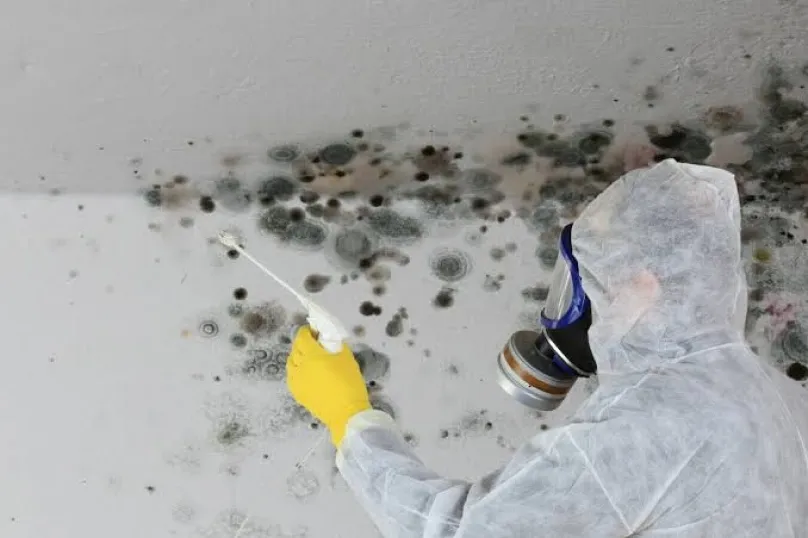
Yellow, brown or grey spots on ceilings and walls often point to a slow leak. Small dark specks that come back after cleaning are usually mold itself.
5. Allergy-like symptoms at home
A stuffy nose, itchy eyes or a cough that get better when you leave the house can be a sign of mold spores in the air. If this happens, it is worth having your home checked.
What to do if you notice these signs
Find and fix the moisture source first — a leak, poor ventilation or a past flood. Small spots on hard surfaces can be cleaned, but if the area is larger than about one square metre or keeps coming back, call a professional. A restoration team will find hidden moisture, contain the area and remove mold safely so it does not return.
Noticed the first signs? Call us.
The sooner mold is caught, the smaller the job. We will find the moisture source and check for hidden mold before it spreads.
647-521-9250